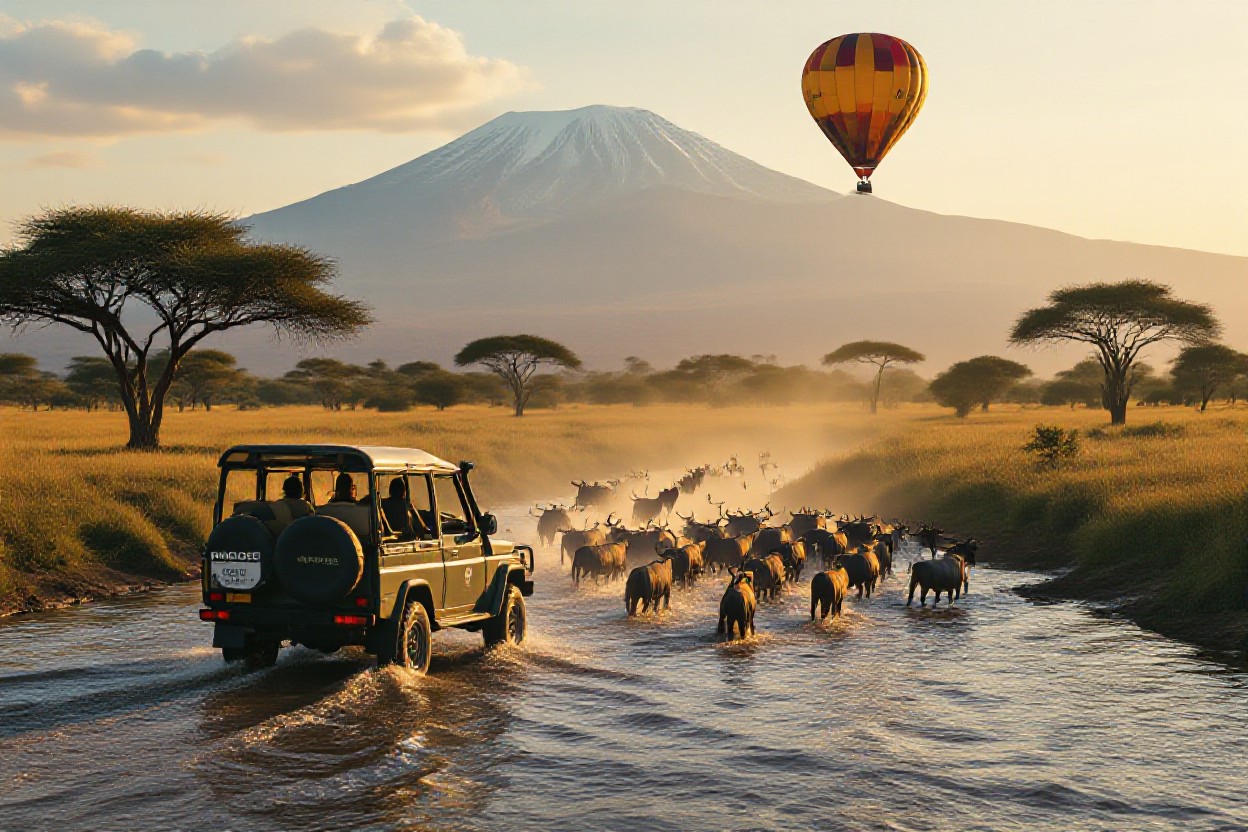
With peak-season conditions offering optimal game viewing and reliable weather, you should prioritize the Masai Mara for the great migration, Amboseli for close-up elephant and Kilimanjaro vistas, Lake Nakuru for flamingos and rhinos, Samburu for endemic species, and Tsavo for expansive landscapes and predator sightings; Apollo Tours and Travel will help you optimize your itinerary, secure permits and lodges, and advise on transport to maximize your photographic and safari experience.
Why Visit Kenya During Peak Season
Climate and Weather Conditions
Peak season (June-October) delivers dry, predictable conditions ideal for game drives: Masai Mara averages 20-27°C, Amboseli 25-30°C by day with nights near 10-15°C. You’ll encounter fewer muddy tracks, clearer skies for photography, and reliable river crossings during the Great Migration (July-October), allowing lodges and guides to schedule targeted drives and maximize sightings.
Unique Wildlife Experiences
During peak season you can witness the Great Migration-about 1.5 million wildebeest and zebras-concentrating in the Masai Mara from July to October, producing dramatic river crossings and heightened predator activity. You’ll also find large lion prides, cheetahs hunting on open plains, and hundreds of thousands of flamingos at Lake Nakuru; guided walks in Laikipia offer intimate rhino tracking and conservancy-led game drives.
Expect highly curated encounters: you can book a 30-60 minute pre-dawn hot-air balloon over the Mara followed by a bush breakfast, or choose mobile tented camps that follow herds. Conservancies such as Naboisho, Olare Motorogi and Mara North limit vehicle numbers and channel fees into Maasai community projects, improving sighting quality and conservation. Photographers gain consistent golden-hour light and predictable river crossings at the Mara and Talek, while Ol Pejeta and Lewa enable close, guided rhino monitoring experiences.
Top National Parks and Reserves
When you plan peak-season safaris, prioritize parks where wildlife congregations and landscapes are most dramatic; the Great Migration, elephant vistas and flamingo-lined lakes are highlights you can time. For practical itineraries and peak-month advice consult Kenya’s Top Safari Spots: Visiting During Peak Season | Blog to align sightings, camps and game-drive windows with July-October crowds.
Maasai Mara National Reserve
You’ll experience the Great Migration here, where over a million wildebeest and hundreds of thousands of zebras funnel through between July and October; river crossings at the Mara and Talek are prime photo moments. Booking a hot-air balloon or early-morning game drive increases your chances of witnessing big-cat hunting behavior and dramatic river cross scenes.
Amboseli National Park
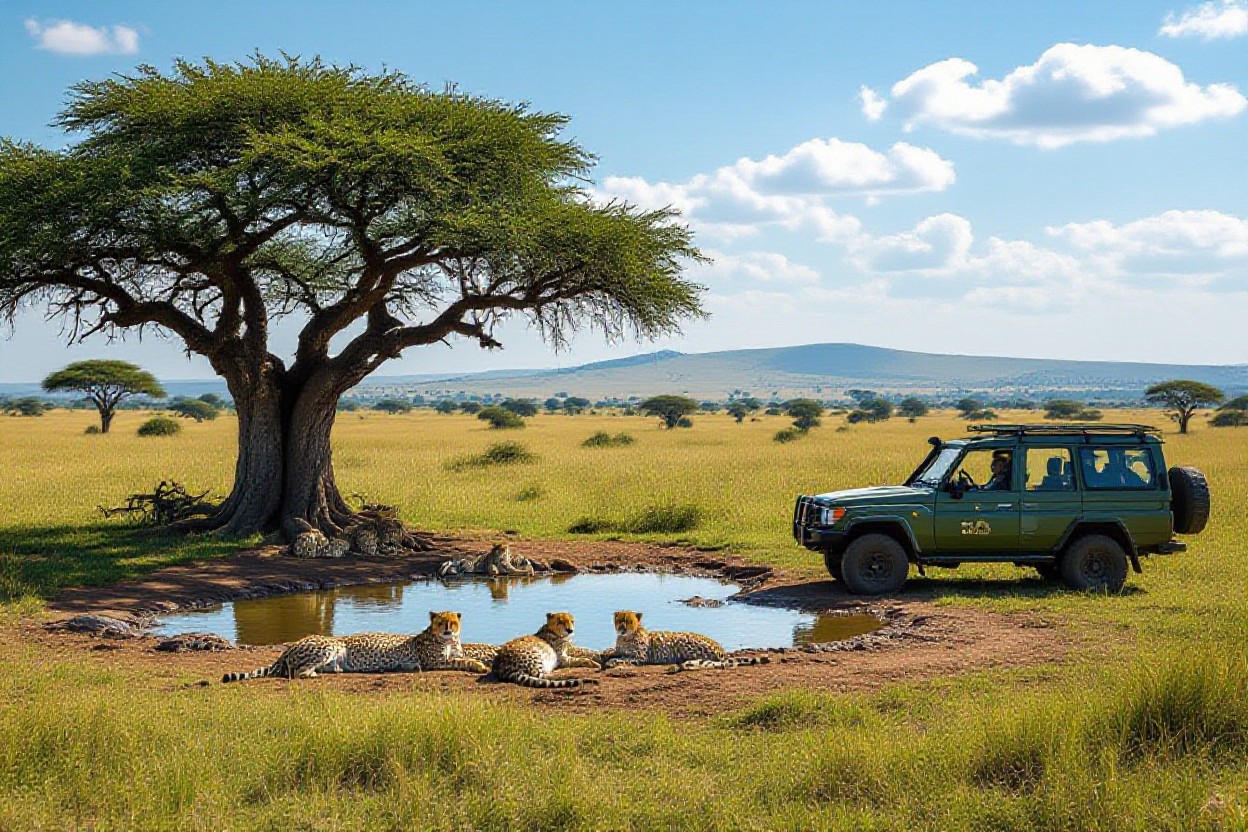
You’ll find Amboseli famous for large elephant herds framed by Mount Kilimanjaro on clear days, and compact park size (about 392 km²) means concentrated sightings. Dry-season months draw wildlife to marshes, giving you excellent close-range photography opportunities of tuskers against panoramic mountain backdrops.
Beyond Kilimanjaro views, Amboseli’s seasonal swamps support strong elephant family structures and multigenerational bulls-research projects here monitor elephant movement and social bonds. You can pair game drives with visits to community-run cultural experiences and mobile photographic hides that improve low-light shots at dawn and dusk.
Tsavo National Park
You’ll cover vast, varied terrain across Tsavo East and West-together roughly 22,000 km²-so plan longer transfers; species range from red-dusted elephants to rare lesser kudu. Seasonal waterholes concentrate predators and prey, while landmark attractions like the historic “man-eater” lion stories add compelling context to guided drives.
Tsavo West offers Mzima Springs with an underwater viewing chamber where you can watch hippos and fish in crystal-clear pools, while Tsavo East features the Yatta Plateau and expansive plains. Night drives and extended-route safaris increase your odds of spotting hyenas, African wild dogs and large bull elephants.
Lake Nakuru National Park
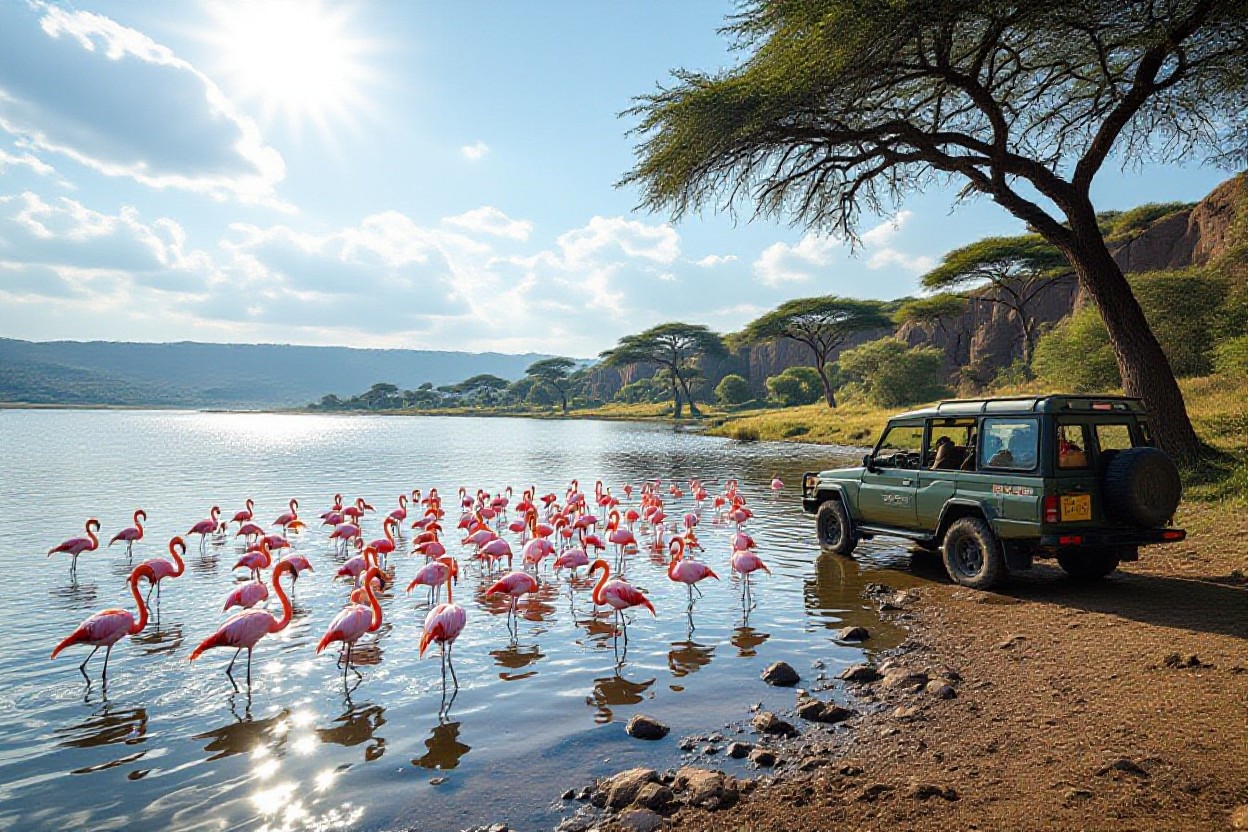
You’ll be drawn by the flamingo-streaked shallows and a dense rhino population in this compact park (about 188 km²); birdlife exceeds hundreds of species and black and white rhino tracking is a major draw. Short game drives yield varied sightings, so you can maximize time at viewpoints like Baboon Cliff.
Water levels change flamingo numbers year-to-year, so check recent reports before you go; the park’s rhino sanctuary supports active conservation and anti-poaching units, letting you combine sightings with educational visits. Expect excellent birding infrastructure and easy drives that make for productive half-day outings.
Tips for Visiting Parks in Peak Season
You should pre-book permits, game drives and internal flights well in advance-many camps sell out 6-12 months ahead; verify gate times and vehicle limits for Mara, Amboseli and Samburu; pack layered clothing for 5-20°C dawn-to-daytime swings; check vaccination and entry rules and compare options with curated lists like 10 Best Kenya safari parks to visit this travel season for. Recognizing that flexibility and early deposits minimize stress, keep backup dates and contact numbers handy.
- Reserve camps and permits 6-12 months ahead for peak months (Jul-Aug, Dec-Jan).
- Request vehicle windows and roof-hatch priority if photography is a must.
- Pack neutral, layered clothing, sun protection and insect repellent.
- Confirm cancellation and refund terms-peak season policies are stricter.
- Coordinate meet-ups and flights with your operator to avoid missed connections.
Booking Accommodations
You should secure lodges or tented camps as soon as dates are set-many properties require 30-50% deposits and fill up 6-12 months in advance during July-August and December-January; compare full-board vs. all-inclusive rates, ask about single supplements (often 25-50%) and confirm power/water provisions, vehicle access and child policies before paying.
Best Times for Game Drives
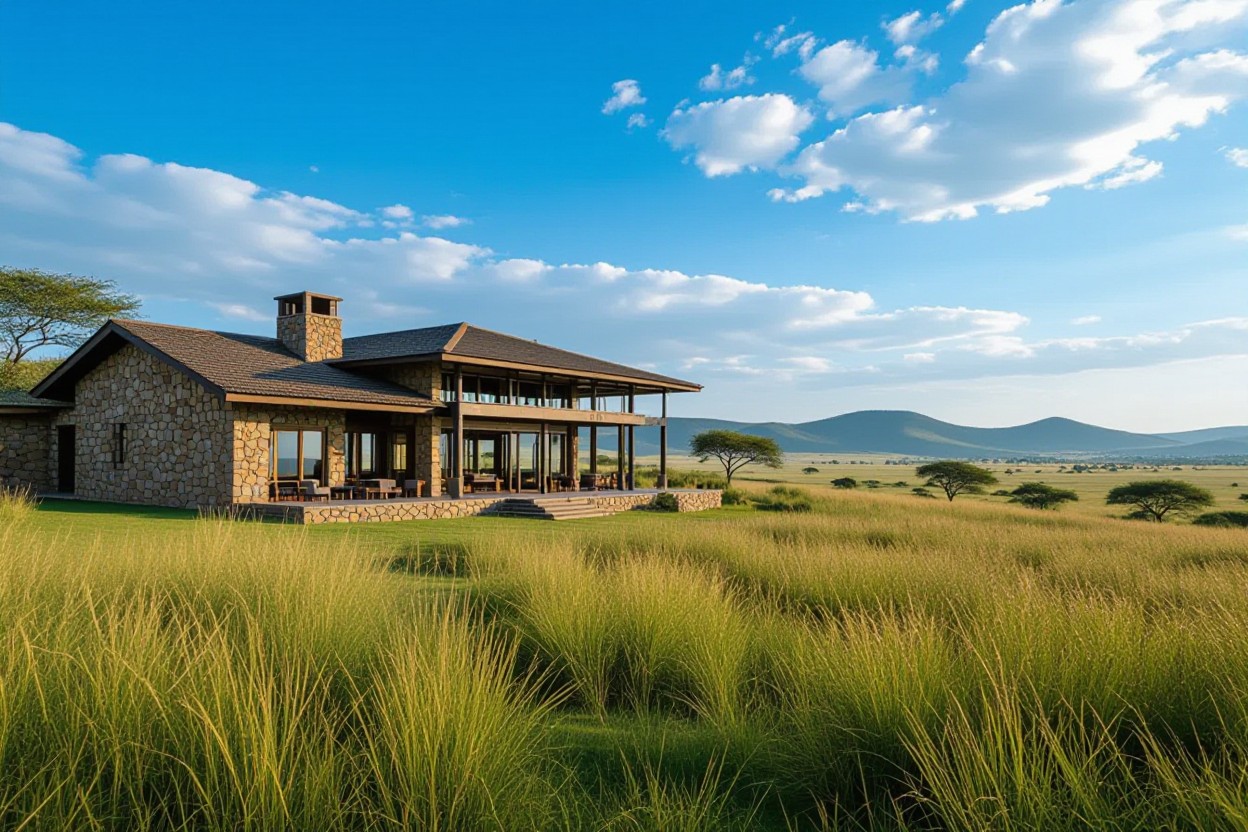
You’ll get the most activity at sunrise (about 06:00-09:00) and late afternoon (16:00-18:30) when predators hunt and light is best for photography; typical drives last 3-5 hours, so schedule rest between outings and carry water, snacks and camera batteries.
For example, wildebeest crossings concentrate in the Mara from July to October, so early-morning drives increase sighting odds; Amboseli offers prime sunrise views of Kilimanjaro on clear mornings, while Samburu’s dry-season watering holes draw unique species-plan drives around local guides’ knowledge, park gate opening times and radio-coordinated sightings to maximize encounters.
Essentials for Travelers
You should pack binoculars (8×42), a 70-200mm or 200-400mm lens if you photograph, layered neutral clothing, a 20,000 mAh power bank, waterproof daypack (20-30L), refillable water bottle (2-3 L/day), sunscreen, insect repellent and travel insurance that covers evacuations.
Additionally, bring spare 32-128GB memory cards, extra batteries, a universal plug adapter, sealed dry bags for dust, prescription meds, a basic first-aid kit and documented vaccination records (yellow fever may be required); tip guides US$10-20/day and trackers US$5-10/day as local practice, and carry small-denomination Kenyan shillings for park fees or incidental purchases.
Cultural Experiences in the Parks
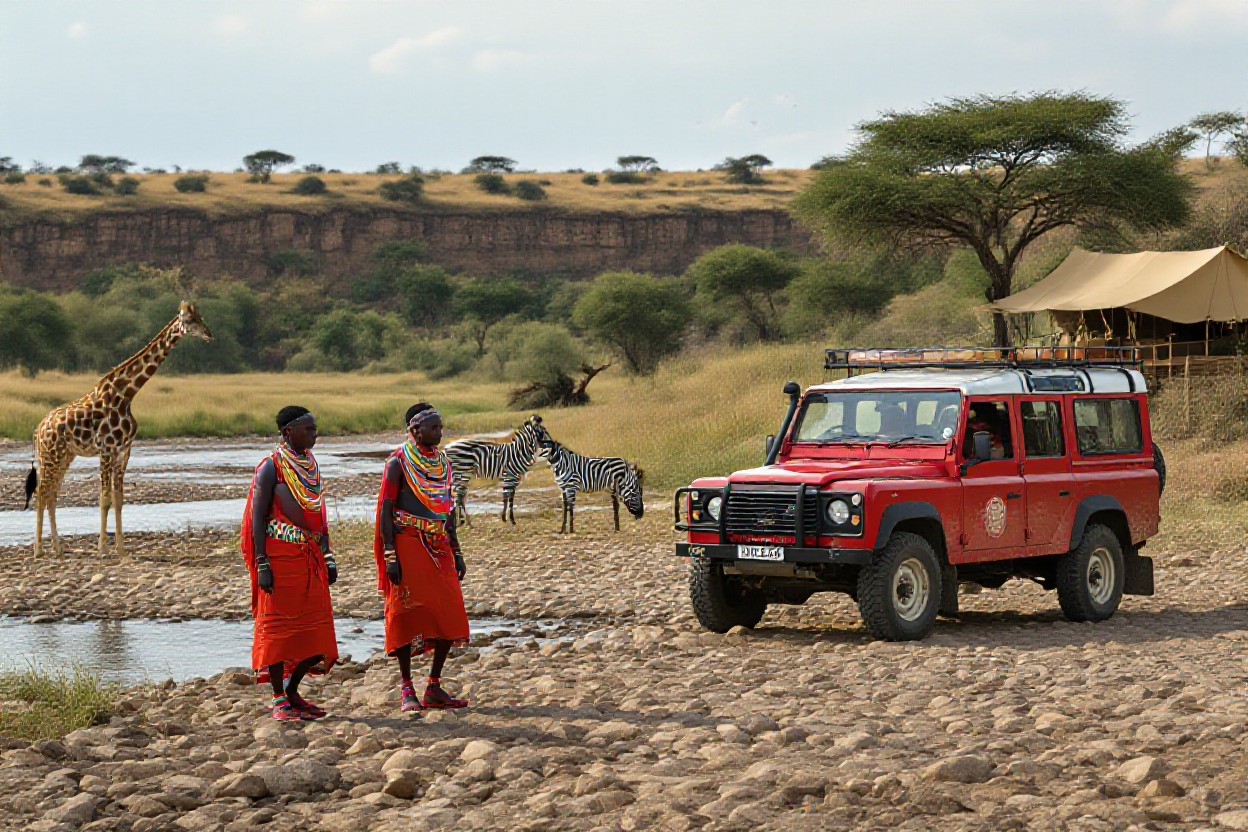
You’ll encounter living traditions woven into conservation: visit Maasai bomas near the Mara, join Samburu song and dance in Samburu Reserve, and explore community-run eco-lodges that channel tourism revenue into schools and water projects; conservancies like Naboisho and Ol Kinyei protect habitat while offering guided cultural walks, beading workshops, and market visits that let you support local artisans directly.
Interactions with Local Communities
When you visit a boma you can learn beadwork techniques, hear oral histories from elders, and share a meal-many community tourism initiatives arrange home-stays and guided walks led by local youth; these interactions often include demonstrations of pastoral skills, explanations of seasonal grazing patterns, and opportunities to contribute to village-led development funds.
Traditional Wildlife Conservation Efforts
Indigenous practices still shape wildlife stewardship: elders enforce grazing rotations and sacred groves, while community conservancies collaborate with park authorities to monitor migratory corridors; examples include conservancies around the Mara that have reduced grazing pressure and Ol Pejeta’s community outreach that links local livelihoods to rhino protection.
More detail: you’ll see practical measures combining tradition and modern conservation-community scouts patrol alongside Kenya Wildlife Service, predator-proof bomas and beehive fences deter depredation, and revenue-sharing agreements fund scholarships and water boreholes; these tangible projects illustrate how local governance and tourism revenues translate into measurable benefits for both people and wildlife.
Adventure Activities Available
Safari Options
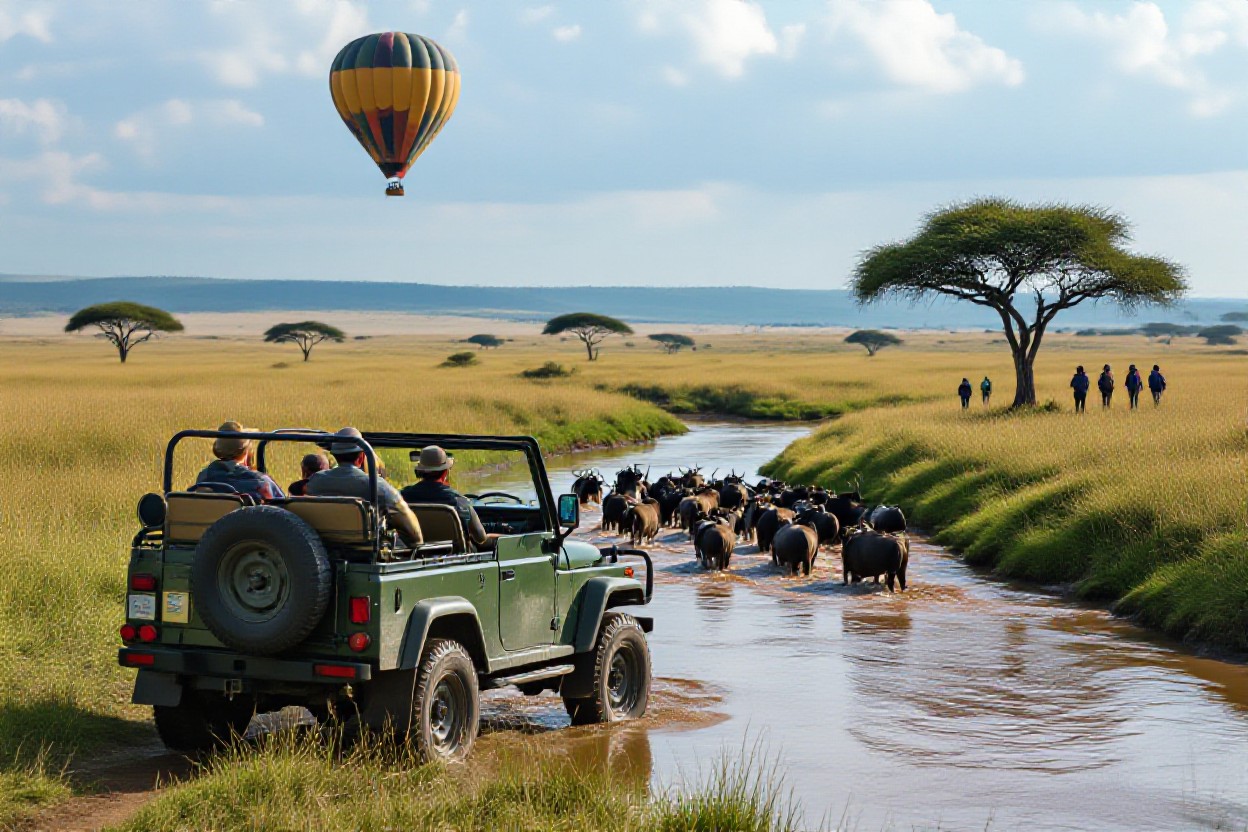
You can choose guided 4×4 game drives in open-top Land Cruisers (6-7 seats) that run morning and evening-typically 4-6 hours-with private or shared options; walking safaris in Laikipia and Meru let you track smaller game with armed guides; boat safaris on Lake Naivasha and Nakuru showcase hippos and waterbirds; night drives in conservancies boost predator sightings, while photographic safaris and community conservancy visits add cultural context and conservation insight.
Hot Air Balloon Rides
Float over the Masai Mara at sunrise in a 45-60 minute hot air balloon flight, ascending roughly 300-1,000 feet to spot migrating herds from above; flights typically start around 6:00 AM, include a post‑flight champagne breakfast, with the busiest window from July to October.
Book at least 2-4 weeks ahead in peak months and confirm age limits, weight restrictions and baggage rules with your operator; pilots are licensed and flights are weather-dependent, so keep a flexible itinerary. Landings can be bumpy and the ground crew retrieves the basket quickly, so wear layers, closed shoes and secure your camera with a strap. You can combine the flight with an early game drive to maximize sightings and unique aerial-to-ground photographic opportunities.
Conservation Efforts in Kenyan Parks
You’ll observe integrated approaches across parks: targeted anti-poaching units, GPS collaring and monitoring, and habitat restoration projects that boost wildlife resilience. Ol Pejeta, for example, safeguards Kenya’s largest black rhino population and the last two northern white rhinos, while Lewa (≈25,000 ha) combines tourism revenue with community outreach to rebuild rhino numbers. These hands-on programs let you directly support measurable conservation gains when you visit.
Importance of Sustainable Tourism
Your choices as a visitor determine funding and pressure on ecosystems; park and conservancy fees, lodge levies, and guided-visit rules channel money into ranger salaries, water projects, and habitat protection. In places like Amboseli and Maasai Mara, responsible visitor numbers and designated routes reduce disturbance to migration corridors, and you benefit from richer wildlife encounters while keeping parks viable for future seasons.
Partnerships with Local Organizations
You’ll find national agencies working hand-in-hand with community conservancies, NGOs and private operators to deliver conservation outcomes and local livelihoods. Northern and Laikipia conservancies use revenue-sharing agreements and joint anti-poaching teams to employ former pastoralists as rangers, turning potential conflict into stewardship and providing stable incomes for households near park boundaries.
More detailed models show how partnerships operate: Ol Pejeta reinvests tourism income into rhino security and community enterprise grants, Lewa’s community trust funds schools and water projects, and the Northern Rangelands Trust supports dozens of community conservancies with governance training and market access. When you choose tour operators and lodges that formalize these links, your visit underwrites transparent budgets, local employment, and measurable conservation metrics such as reduced poaching incidents and increased wildlife sightings.
To wrap up
Considering all points, you should prioritize the Maasai Mara, Amboseli, Tsavo East, Samburu and Lake Nakuru when booking peak-season travel with Apollo Tours and Travel; their local expertise ensures optimal game-viewing, streamlined logistics, and tailored itineraries so you maximize sightings, photographic opportunities, and authentic cultural encounters while minimizing crowds and seasonal constraints.
Leave a Reply