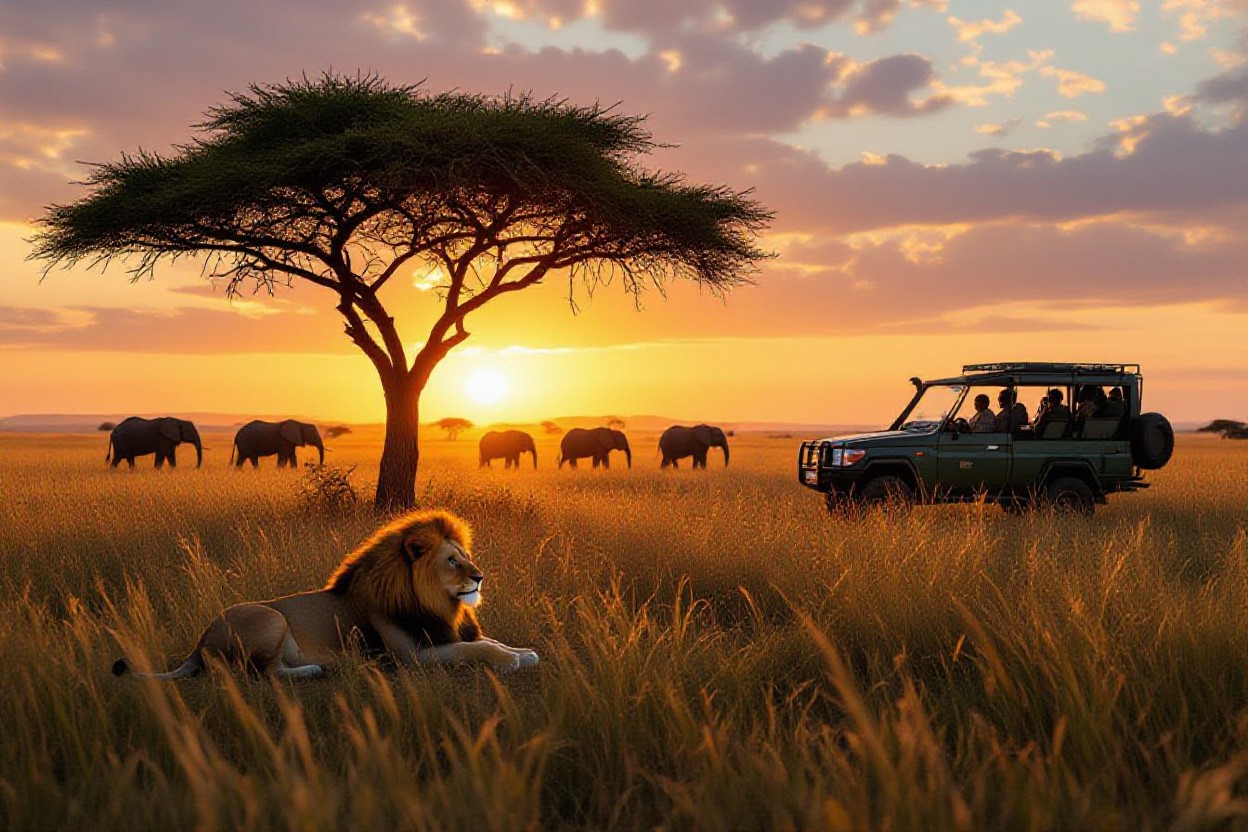
Many of your game drives will improve when you use Sunrise and Sunset Drives, select Luxury Drive Bases or budget-Spotting the Big Five in Maasai Mara options, prioritize park privacy and time Migration-Enhanced Drives to catch wildebeest crossing, and apply fieldcraft to find the Big Five efficiently for your best sightings.
Overview of Game Drives in Maasai Mara
You’ll encounter Sunrise and Sunset Drives, full-day options and Migration-Enhanced Drives tailored to wildebeest crossing seasons; sunrise departures often start around 05:30 and sunset drives around 16:00, with typical outings lasting 3-6 hours. You can choose Luxury Drive Bases for park privacy and private guides or opt for budget-Spotting The Big Five in Maasai Mara via shared 4x4s. Expect varied animal activity-lions at dawn, elephants near waterholes at dusk-and plan drives around migration windows (July-October) for higher predator and crossing encounters.
Types of Game Drives
You’ll pick between open-top morning drives for predator sightings, afternoon/sunset drives for elephants and birds, full-day drives that combine habitats, private drives from Luxury Drive Bases that maximize park privacy, and Migration-Enhanced Drives timed to wildebeest crossing peaks in August-September.
- Open-top morning drives – best for ambush predators and cooler light for photography.
- Sunset drives – higher chances of elephant and hippo activity near waterholes.
- Full-day drives – cover riverine, savannah and kopje habitats in a single outing.
- Private Luxury Drive Base excursions – you’ll get flexible timing, fewer vehicles and deeper park privacy.
- The Migration-Enhanced Drives concentrate on wildebeest crossing corridors and river ambush points.
| Sunrise Drive | 05:30 departures, 3-4 hours; peak predator movement, golden light for photos |
| Sunset Drive | 16:00-19:00; elephants, hippos and high bird activity near dusk |
| Full-day Drive | 6-10 hours with picnic stops; covers diverse habitats and increases Big Five chances |
| Private/Luxury Drive | Flexible schedule, exclusive routes, higher park privacy; ideal for tailored Big Five searches |
| Migration-Enhanced Drive | July-October focus on wildebeest crossing areas and riverbank ambush sites |
Choosing the Right Time for Your Drive
You should plan sunrise drives for active predators and crisp light, schedule sunset drives for elephant and hippo viewing, and book Migration-Enhanced Drives between July and October for wildebeest crossing action; mid-day drives work if you want fewer vehicles but expect heat and lower predator movement, while private Luxury Drive Bases give you flexible timing and better park privacy for targeted Big Five searches.
For practical planning, aim for a dawn drive at 05:30 to catch lion hunts-studies and guide logs show predator activity rises sharply in the two hours after dawn-and reserve a late-afternoon 16:00 slot for elephant concentrations around waterholes. If you’re on a budget-Spotting the Big Five in Maasai Mara plan, join shared morning drives (about $60-$120) and augment with a sunset shared drive; alternatively, pay for a private 4×4 from a Luxury Drive Base to access quieter tracks and increase your odds for rhino and leopard sightings. During migration peaks, prioritize river corridors and cross-reference local ranger updates on wildebeest crossing and Top options for crossing hotspots.
The Big Five: Identifying the Icons
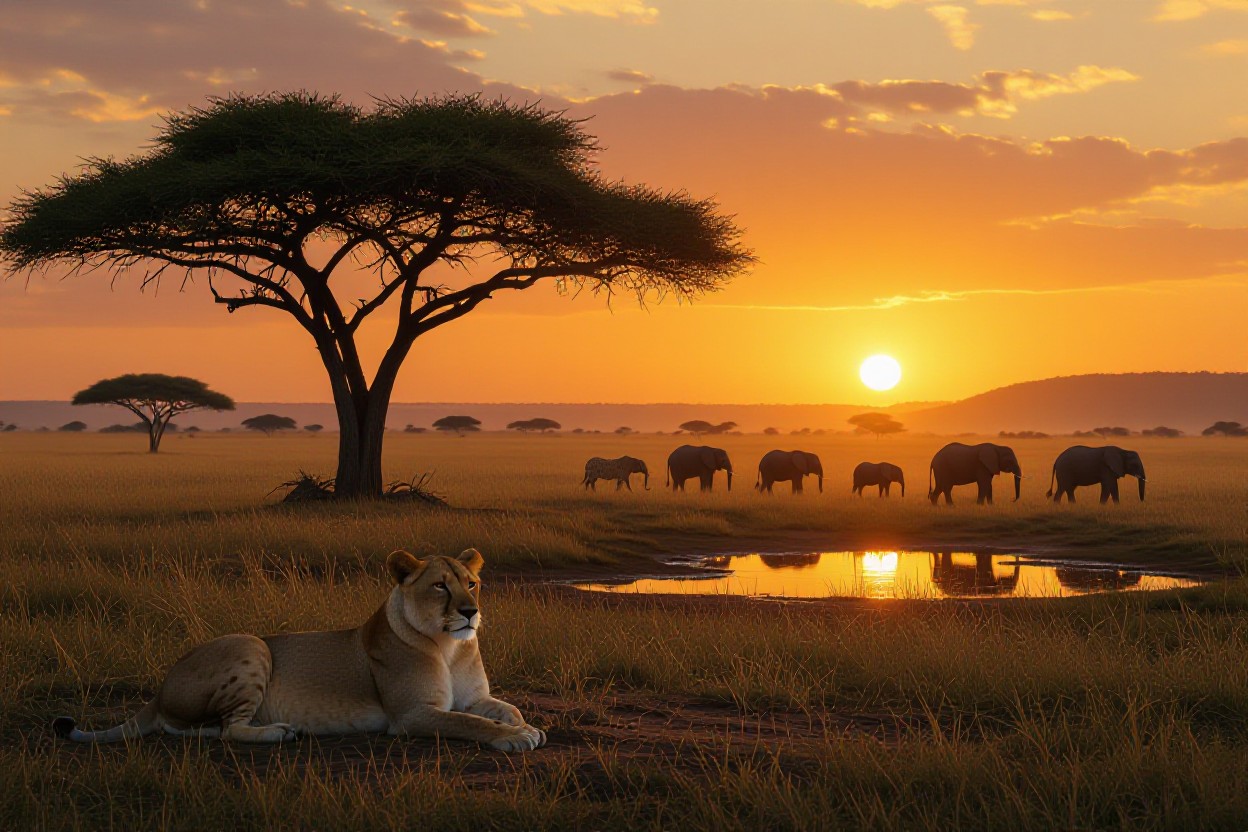
You’ll distinguish the Big Five-lion, leopard, elephant, buffalo, rhino-by habitat and behavior: lions on kopjes and open plains, leopards in riverine trees, elephants near water and corridors, buffalo in dense grass, rhinos in thick bush. Use Sunrise and Sunset Drives and Migration-Enhanced Drives to time sightings; Luxury Drive Bases and budget-Spotting The Big Five in Maasai Mara options both rely on conservancy trackers. Link your game drives to wildebeest crossing hotspots and prioritize park privacy for calmer, closer observations.
Lion Spotting Techniques
Focus on kopjes at dawn and dusk-prides of 3-15 often rest on rocky outcrops, scan silhouettes and mane color for age and sex. You should approach downwind, stop 30-50 m away, and watch for stalking lines or fresh scat near game-drive corridors. In conservancies like Olare Motorogi habituated prides offer prolonged views; use binoculars, note kill sites and prioritize Sunrise and Sunset Drives when hunting peaks.
Tracking Elephants and Rhinos
You’ll follow mud wallows, large footprints and snapped branches to find elephant herds (often 20-70) moving between riverine browse and waterholes during the dry season. For rhinos read trough-like prints, dung piles and shallow soil scours leading into thick bush; rhinos are solitary and most active at dusk. Coordinate with conservancy trackers on game drives and respect park privacy to improve sighting rates.
Assess dung moisture and crispness to estimate age-fresh dung glistens within 24 hours while older piles dry and crumble. You should look for trunk-swipe marks, crushed grass lanes and saplings pushed 1-2 m for elephants; rhino signs include horn-scored mud, scraping and three-toed impressions into cover. Leverage GPS-collar reports at Luxury Drive Bases or ask trackers during budget-Spotting The Big Five in Maasai Mara drives; shut engines and hold position so animals reveal natural behavior.
Sunrise and Sunset Drives: Optimal Viewing Conditions
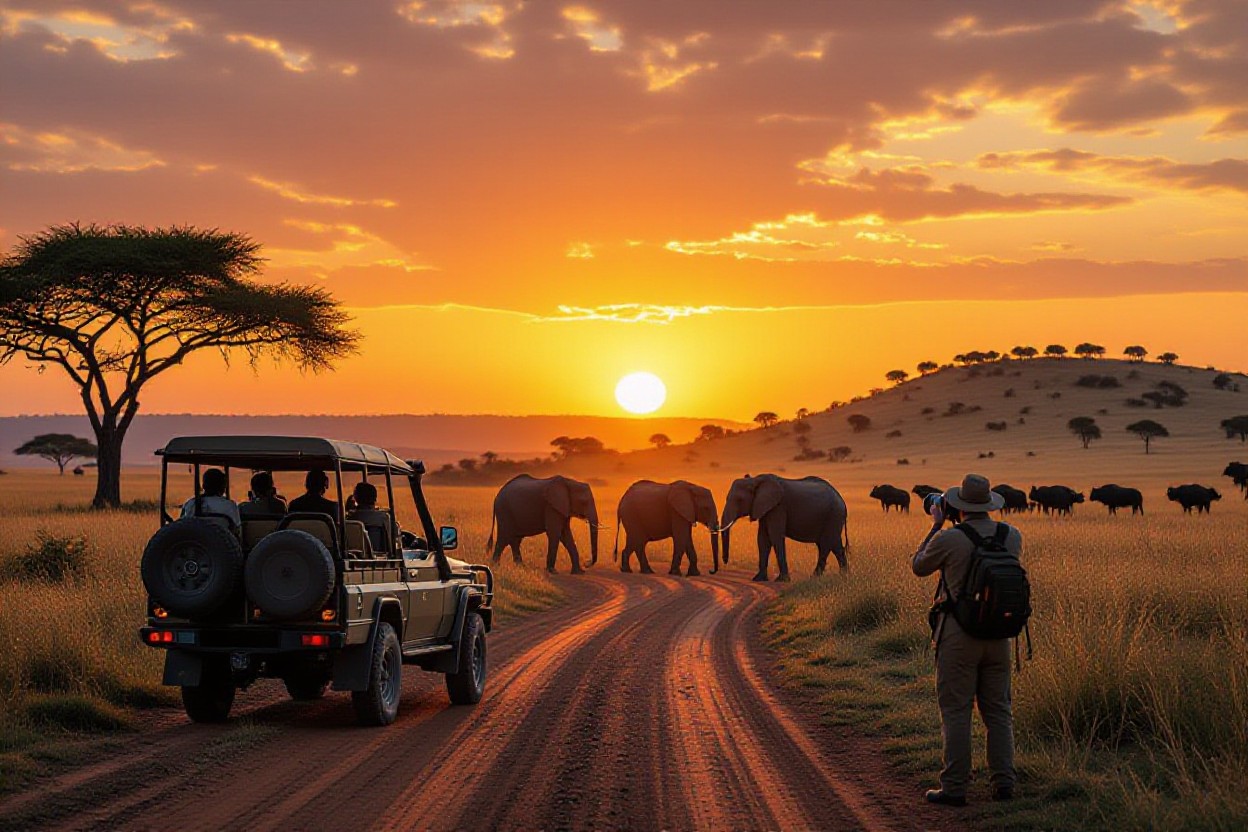
At dawn and dusk the Mara’s light and animal activity align predators hunt within roughly two hours of sunrise and sunset, and golden-hour photography lasts 30-45 minutes. You should schedule game drives to start 5:30-6:30 AM or 4:00-6:30 PM (season dependent) to maximize Big Five encounters and Migration-Enhanced Drives sightings like river crossings. Private Luxury Drive Bases give extended access into dusk vs. national reserve rules, improving park privacy and sighting odds on budget-Spotting the Big Five in Maasai Mara trips.
Benefits of Early Morning Drives
At 05:30-07:30 you catch cooler temperatures (often 10-15°C) that concentrate wildlife along rivers and watering holes; you’ll spot lions tracking prey, leopards emerging from kopjes, and large herds feeding before midday heat. You can also time drives for peak migration months (July-October) to intercept wildebeest moving toward known river crossing funnels, and smaller vehicle numbers early mean better park privacy and clearer viewing for your game drives.
Magic of Evening Safaris
During late-afternoon drives, light softens and predators become active again-start around 16:00-16:30 to exploit the 90-minute window through sunset when sightings of Big Five increase and silhouettes over the plains create dramatic imagery; private conservancies allow you to extend past official reserve sunset limits, giving you a strategic advantage for nocturnal follow-ups.
You should plan evening safaris to coincide with migrating herds in July-October for higher wildbeast crossing chances and to use thermal or high-ISO photography settings during the last 30-45 minutes; when booked from a Luxury Drive Base you often benefit from local trackers who know habitual ambush sites and can navigate legal night-drive options in conservancies to follow fresh predator activity safely.
Luxury Drive Bases: Comfort Meets Wilderness
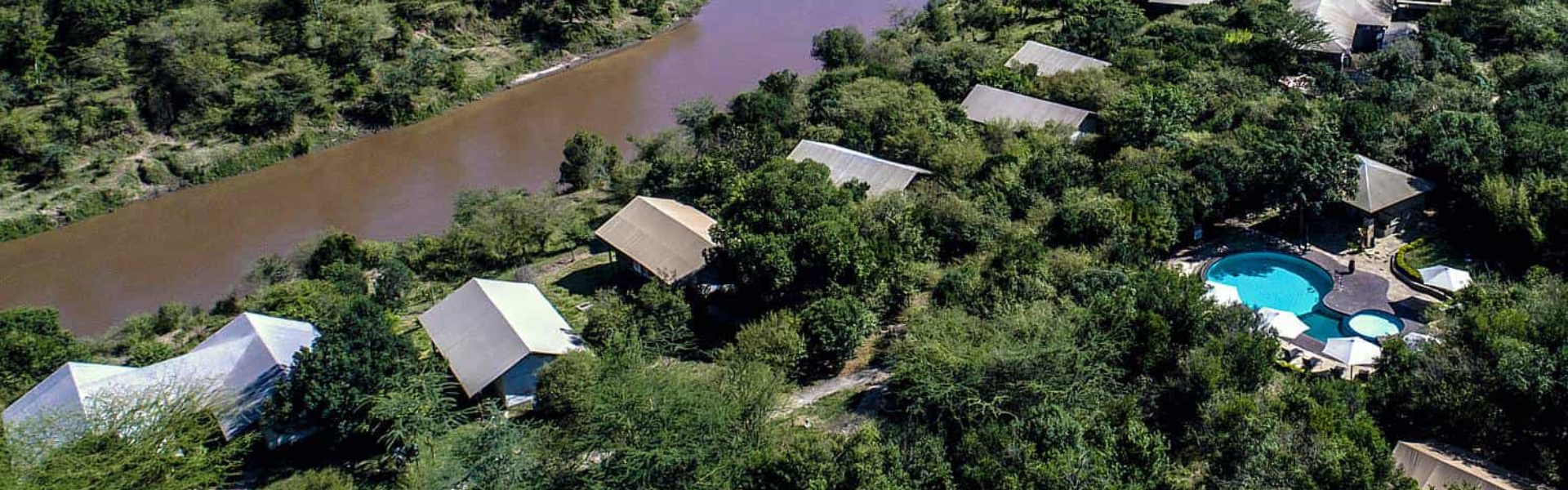
You’ll use luxury camps as strategic bases for Sunrise and Sunset Drives, reducing transfer time to 10-40 minutes and increasing park privacy and Big Five encounter rates. Many lodges sit adjacent to conservancies, giving you private road access and tailored game drives; compare options and book through guides familiar with Maasai Mara National Reserve & Conservancies to secure early-entry slots and migration-enhanced drives during July-October.
Top Luxury Camps and Lodges
Choose camps like Governors’ Camp, Angama Mara, Mara Plains and private-concession lodges in Naboisho or Olare Motorogi for 1:1 guide-to-guest ratios, open-top Land Cruisers, and villas for groups of 4-12; nightly rates typically include guided game drives, tracker expertise, and focused Big Five tracking that boosts sighting odds compared to public park circuits.
Enhancing Your Game Drive Experience
You should schedule pre-dawn starts (05:00-06:00) for cat activity and late-afternoon drives for predators; insist on a dedicated tracker plus guide, request private drives when possible, and use vehicle-mounted radios to get real-time tips on wildebeest crossing points and pride movements-these choices raise your odds of spotting the Big Five and support Migration-Enhanced Drives.
For finer detail, plan 3-4 hour drives with alternation between slow stakeouts and wider transect runs, carry 8×42 binoculars and a 200-400mm lens, set camera shutter speeds to 1/1000s for action, and keep 30-50m distance from large mammals; camps that coordinate with neighboring concessions often reroute drives to active crossings, improving your chances compared to budget-Spotting The Big Five in Maasai Mara on standard park tracks.
Budget Options for Spotting the Big Five
To stretch your budget-Spotting the Big Five in Maasai Mara, pick community camps and shared game drives where per-person rates drop for a half-day sunrise or sunset drive versus for private Luxury Drive Bases; you still access Migration-Enhanced Drives and wildebeest crossing hotspots, and you retain decent park privacy by choosing conservancy corridors over the main reserve when possible.
Affordable Game Drive Alternatives
You can join shared sunrise and sunset drives from community-run camps, book combined morning & afternoon slots to cut transport costs or opt for walking safaris and night drives offered in certain conservancies; guided group vehicles often cover the same Big Five areas with lower impact on your wallet while keeping access to migration staging grounds.
- Join a shared sunrise drive: typical per-person rate.
- Stay in community camps that bundle two drives per day for one fee.
- Use conservancy-guided walks or night drives to diversify sightings.
- This reduces per-person cost and preserves access to quieter game drive routes.
Saving Tips for Your Safari
Book shoulder-season windows (May, November) to save 20-30% compared with peak migration months; you should combine Sunrise and Sunset Drives in one operator booking, negotiate a multi-drive package, and compare conservancy versus reserve entry fees to balance access to Migration-Enhanced Drives with lower rates.
- Travel in May or November for off-peak pricing and still-good sightings.
- Book shared vehicles 4-8 weeks ahead to lock lower per-person rates.
- Opt for conservancy entry points to avoid some reserve surcharges.
- This helps you maximize sightings while trimming lodge and drive costs.
For more savings, you can prioritize group departures, pick mid-week game drives to avoid weekend premiums, and leverage local operators who offer discounts when you book multiple drives or multi-day migration-focused itineraries; check operator reviews to ensure quality while you cut rates and preserve park privacy during key sunrise and sunset windows.
- Book multi-day migration packages with one operator to negotiate a discount.
- Choose community lodges that include two drives per night in the room rate.
- Travel mid-week and join shared vehicles to lower overheads.
- This keeps your budget flexible without sacrificing prime Big Five viewing opportunities.
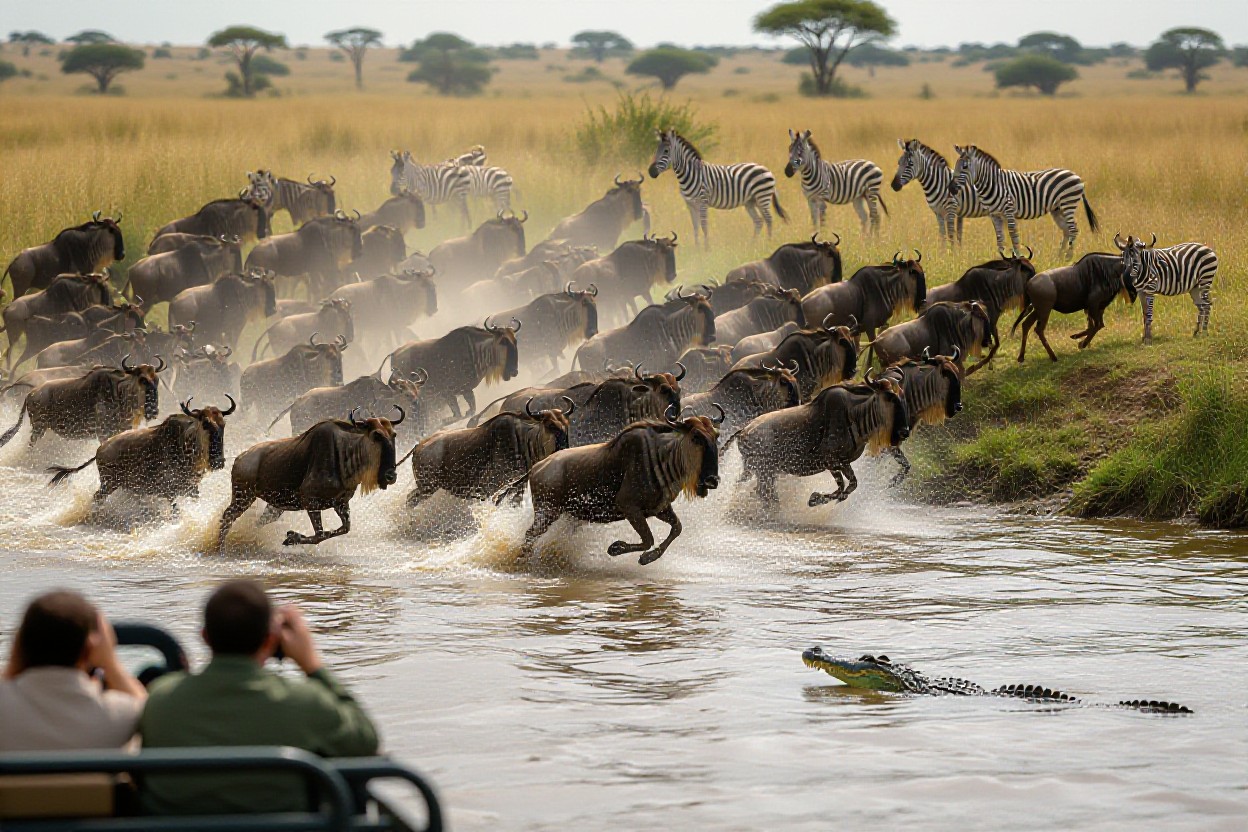
Migration-Enhanced Drives: The Great Wildebeest Crossing
When the Mara swells with roughly 1.5 million wildebeest and zebra, your game drives turn into migration-focused stakeouts along the Mara River and Talek; you’ll watch crocodiles ambush crossings and lions exploit bottlenecks. Plan sunrise and sunset drives from Luxury Drive Bases for the best light and park privacy and consult this How to Get the Best Game Drive Experience in the Masai for route and vehicle tips.
Timing Your Visit for the Migration
Peak river crossings typically occur June-October, with most crossings seen July-September; you should book a 2–4 night window centered on that peak and prioritize early-morning sunrise drives or late-afternoon drives to catch crossings and predator activity when visibility and animal movement are highest.
Best Spots for Viewing the Migration
Head to the Mara River banks within the Mara Triangle and the Talek corridor, plus the Sand River edges where animals funnel; you’ll find denser concentrations at known pinch points, and choosing camps with direct river access boosts your daily sighting rate markedly.
For deeper advantage, base yourself in camps that favor park privacy-exclusive options like Kicheche or Angama Mara put you closer to high-probability crossings and limit vehicle pressure. You can combine a Mara Triangle stay (western third of the reserve) with targeted sunrise drives and a local guide who tracks herd direction by daily GPS updates, maximizing your chances to witness multiple crossings in one day.
Summing up
As a reminder, you can maximize budget-Spotting The Big Five in Maasai Mara by combining Sunrise and Sunset Drives with Migration-Enhanced Drives and choosing Luxury Drive Bases selectively; plan game drives around park privacy windows and wildebeest crossings, use trackers and local guides to locate leopard, lion, elephant, rhino and buffalo, and prioritize patience, optics and route choices so your sightings and photos are consistent and efficient.
Leave a Reply